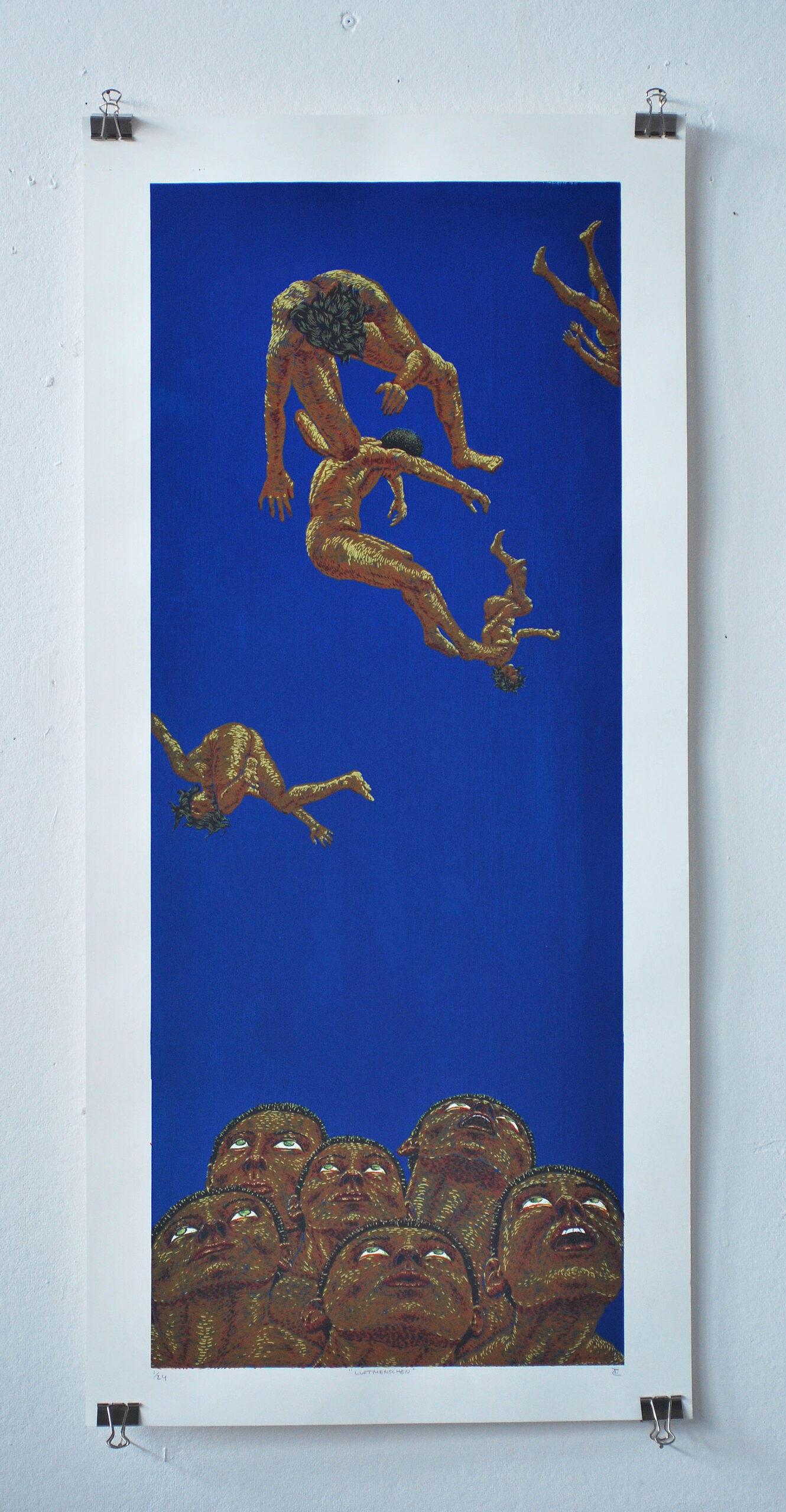
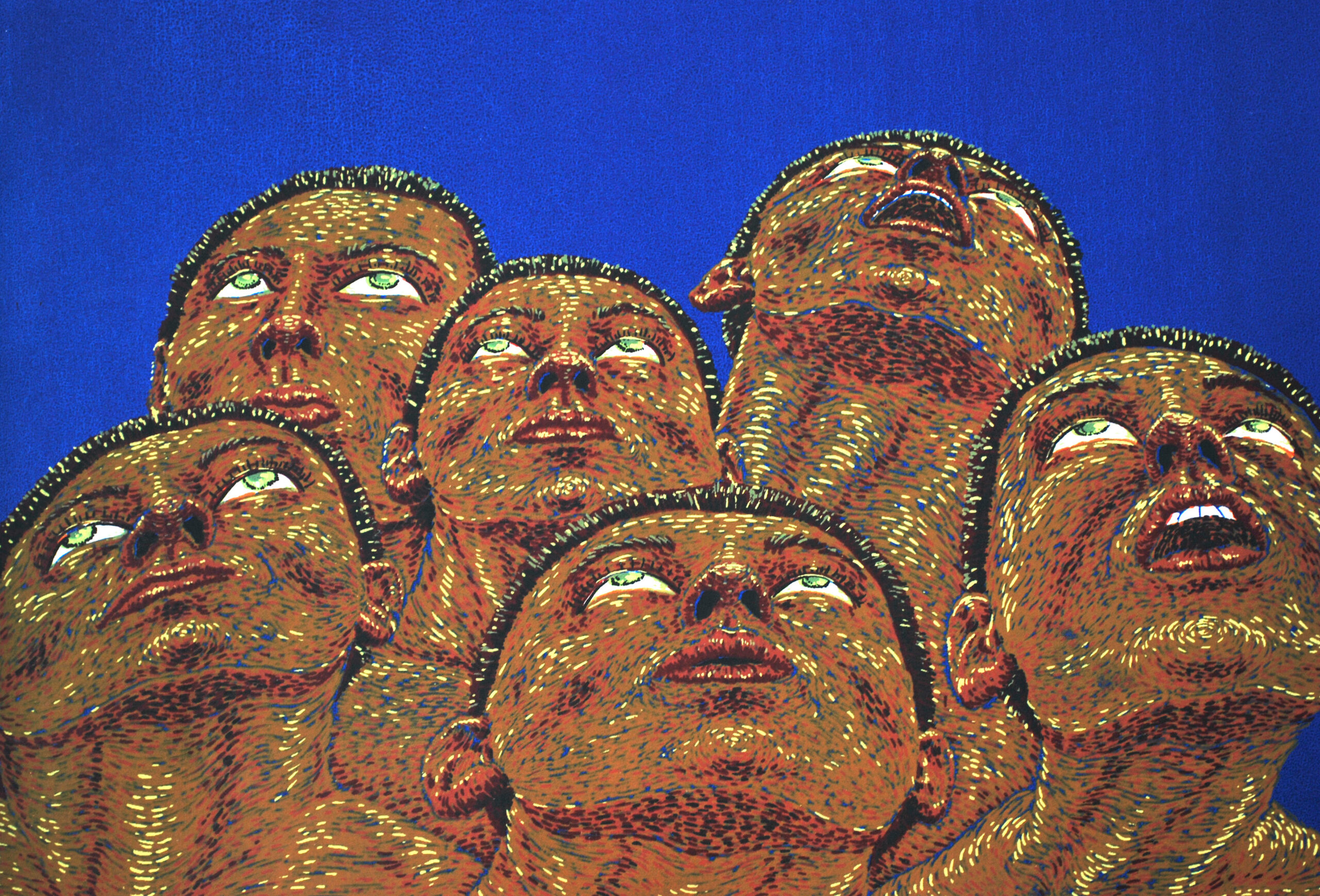
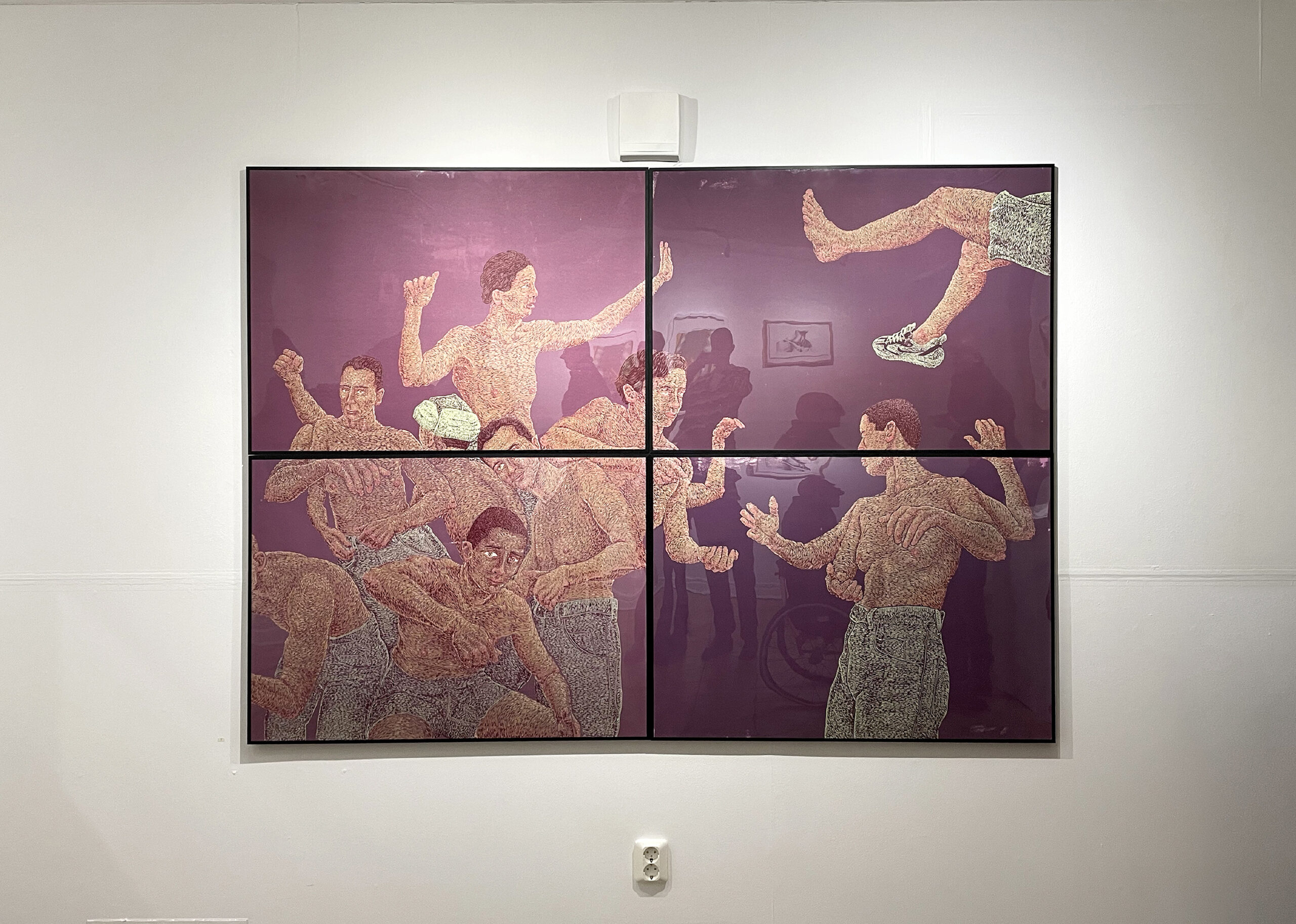
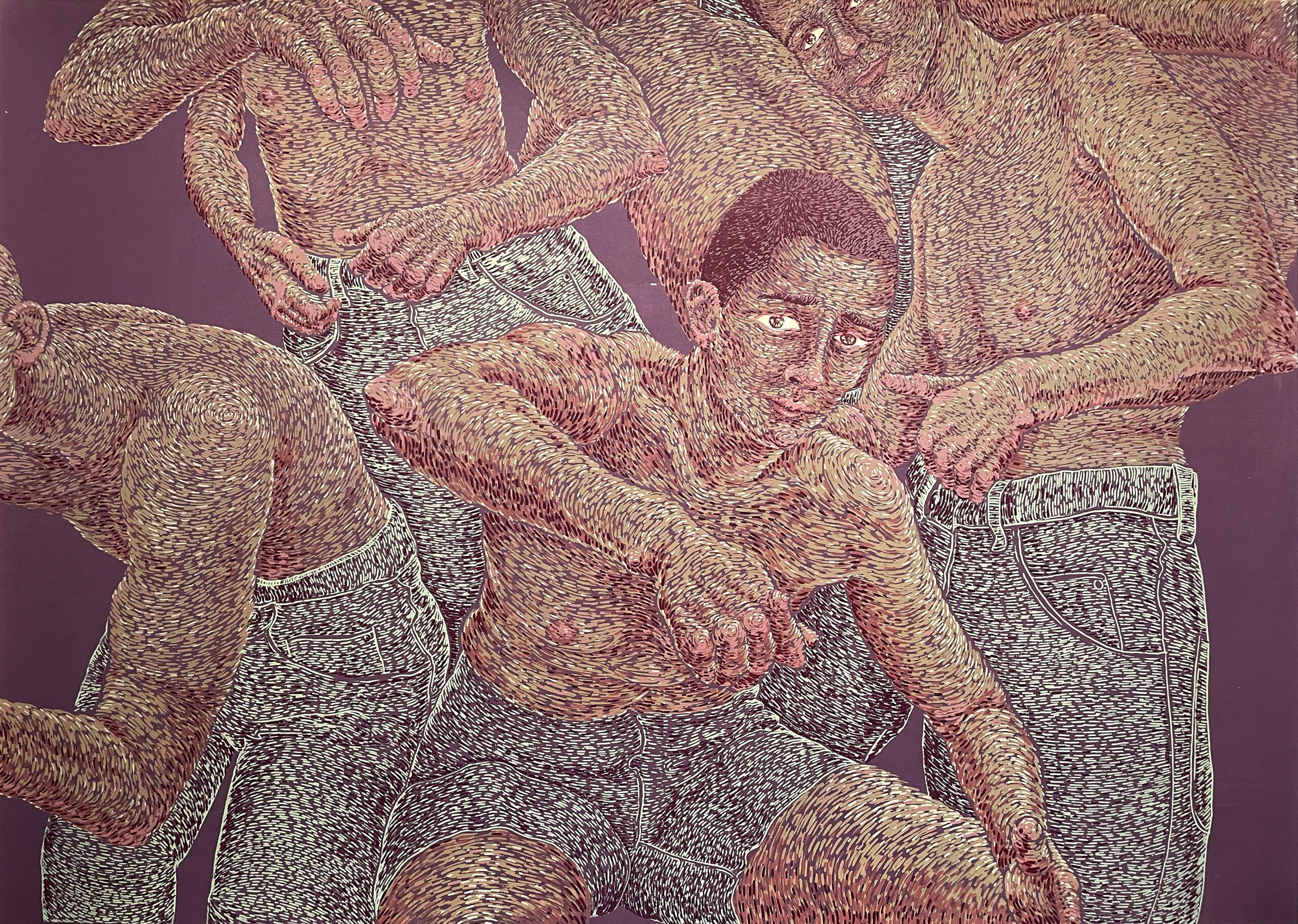
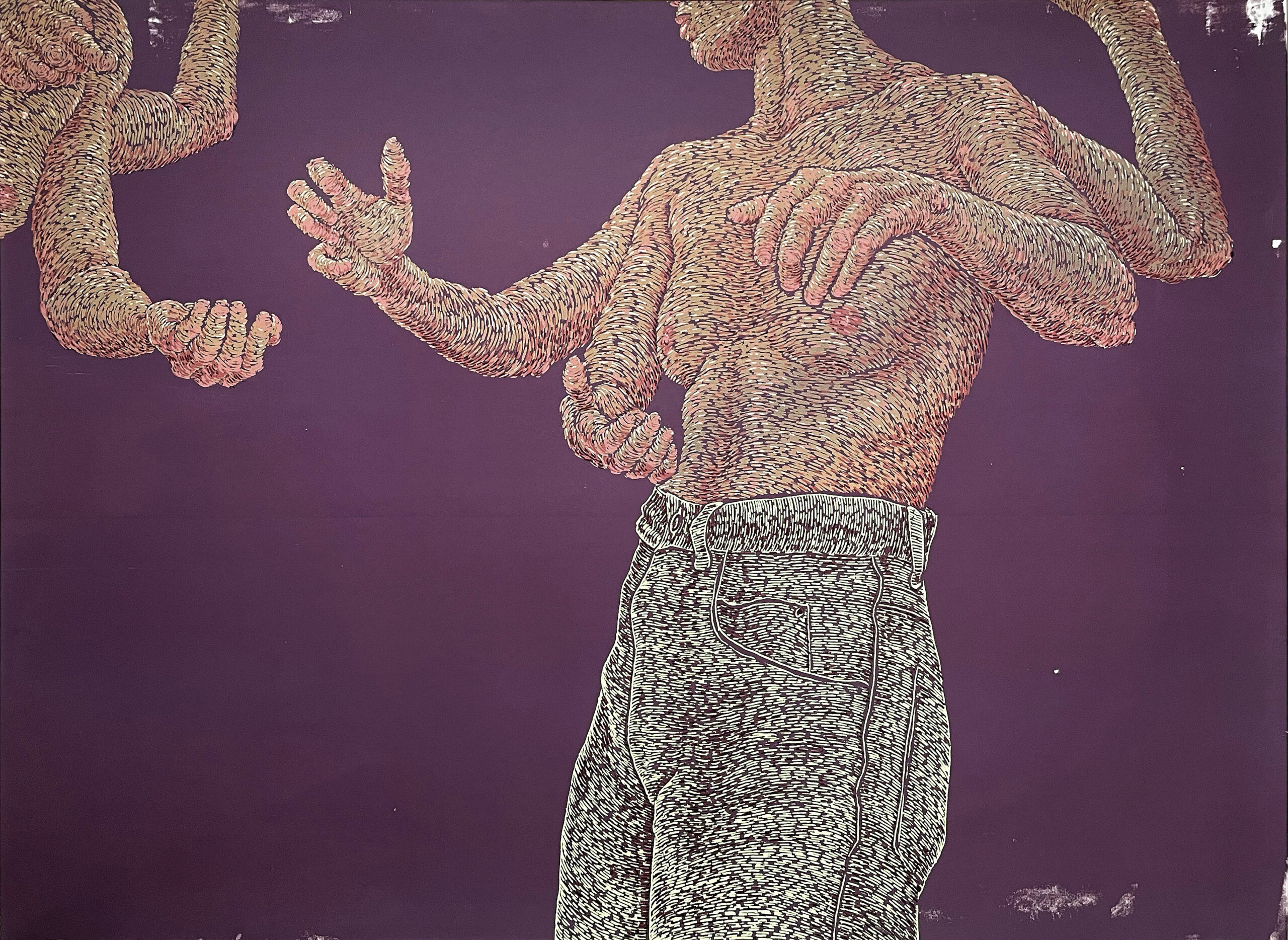
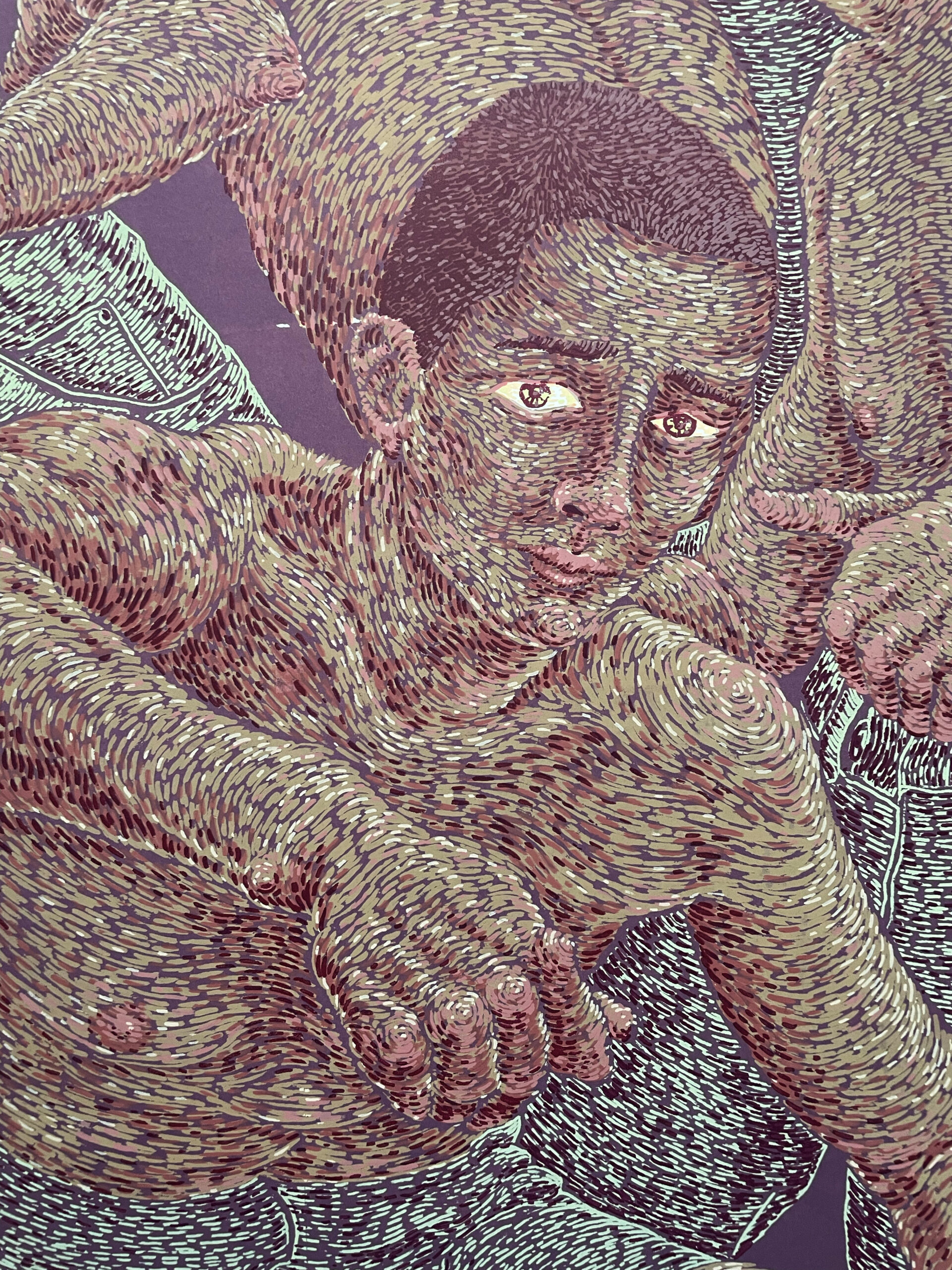
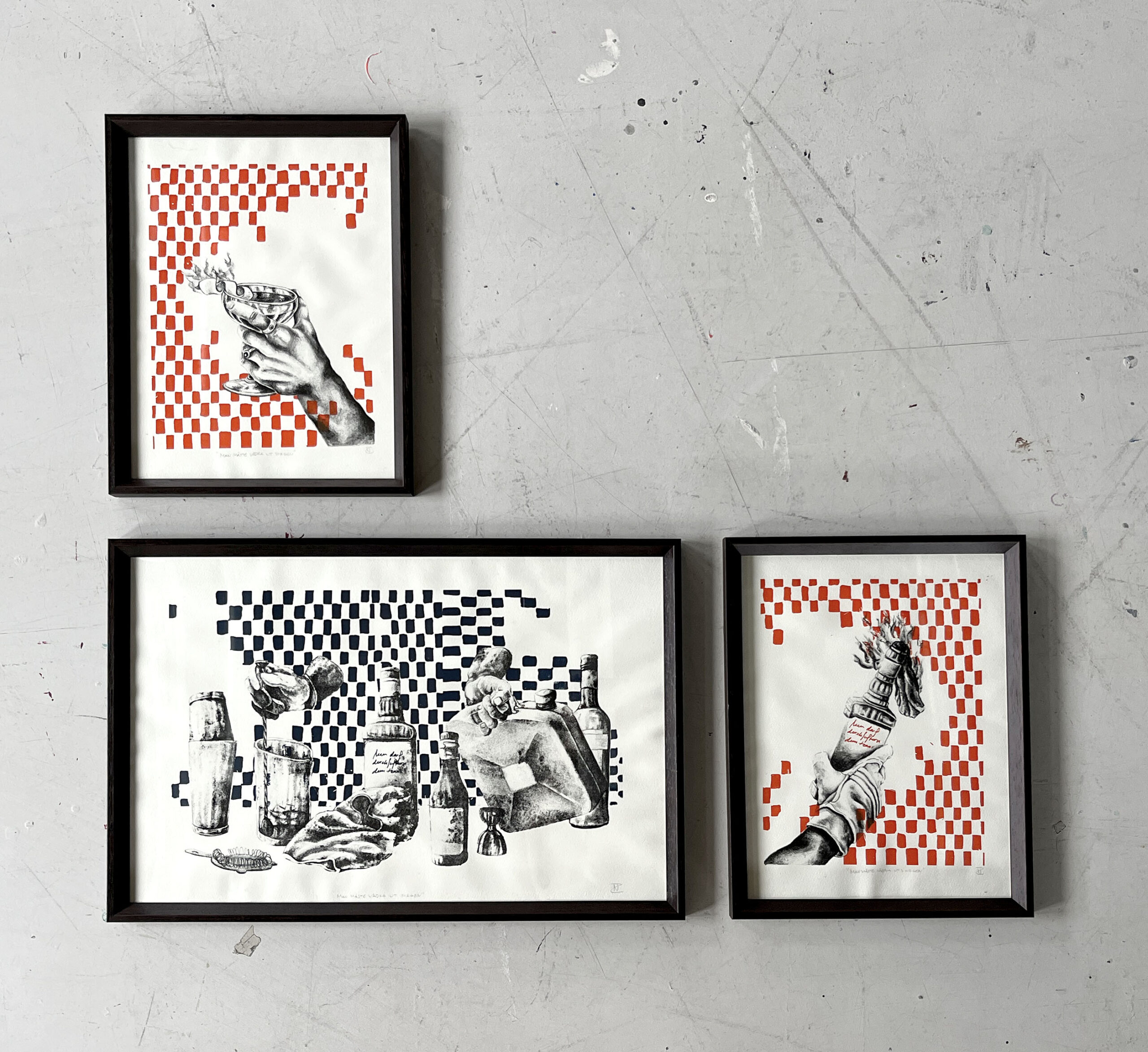
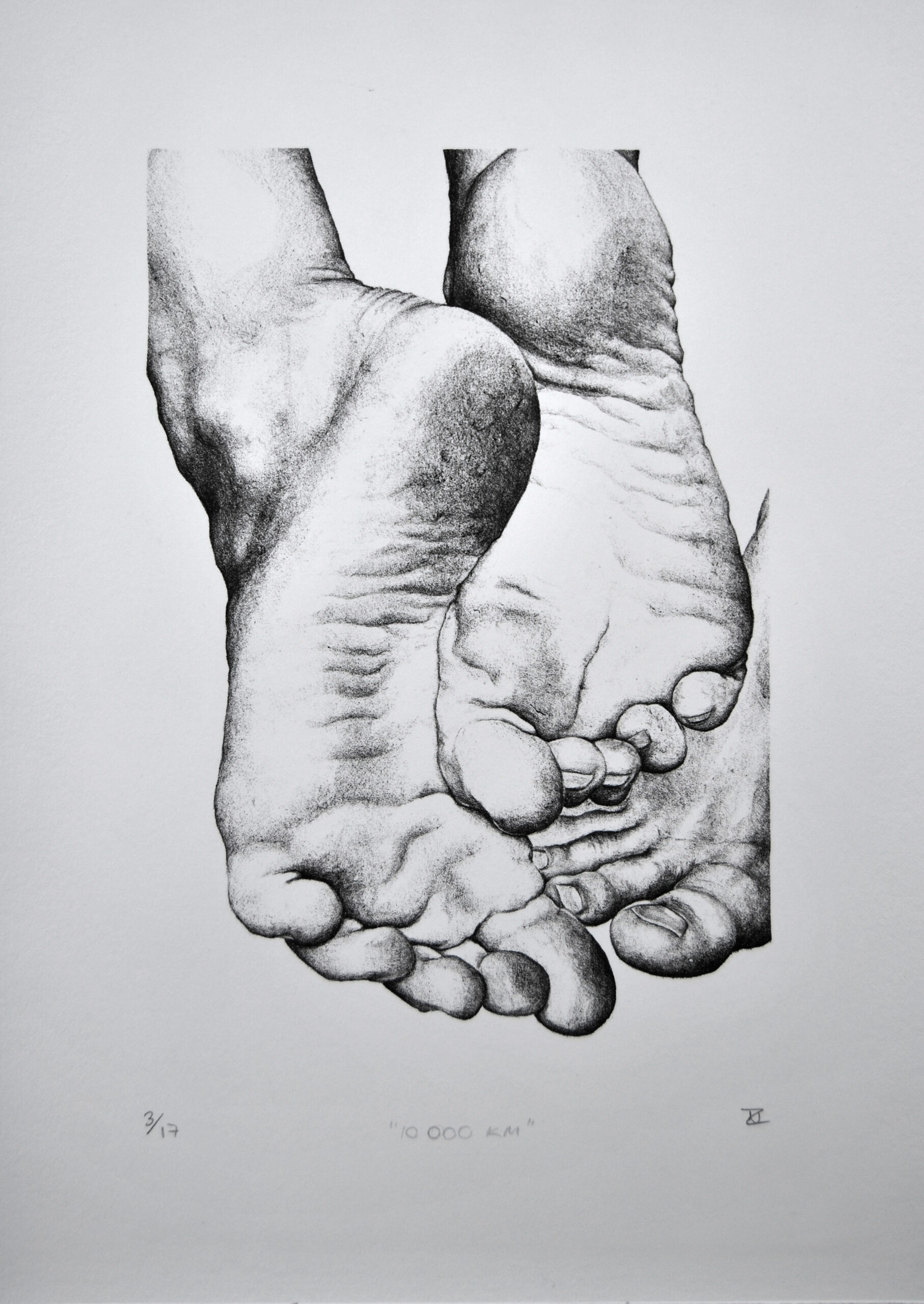
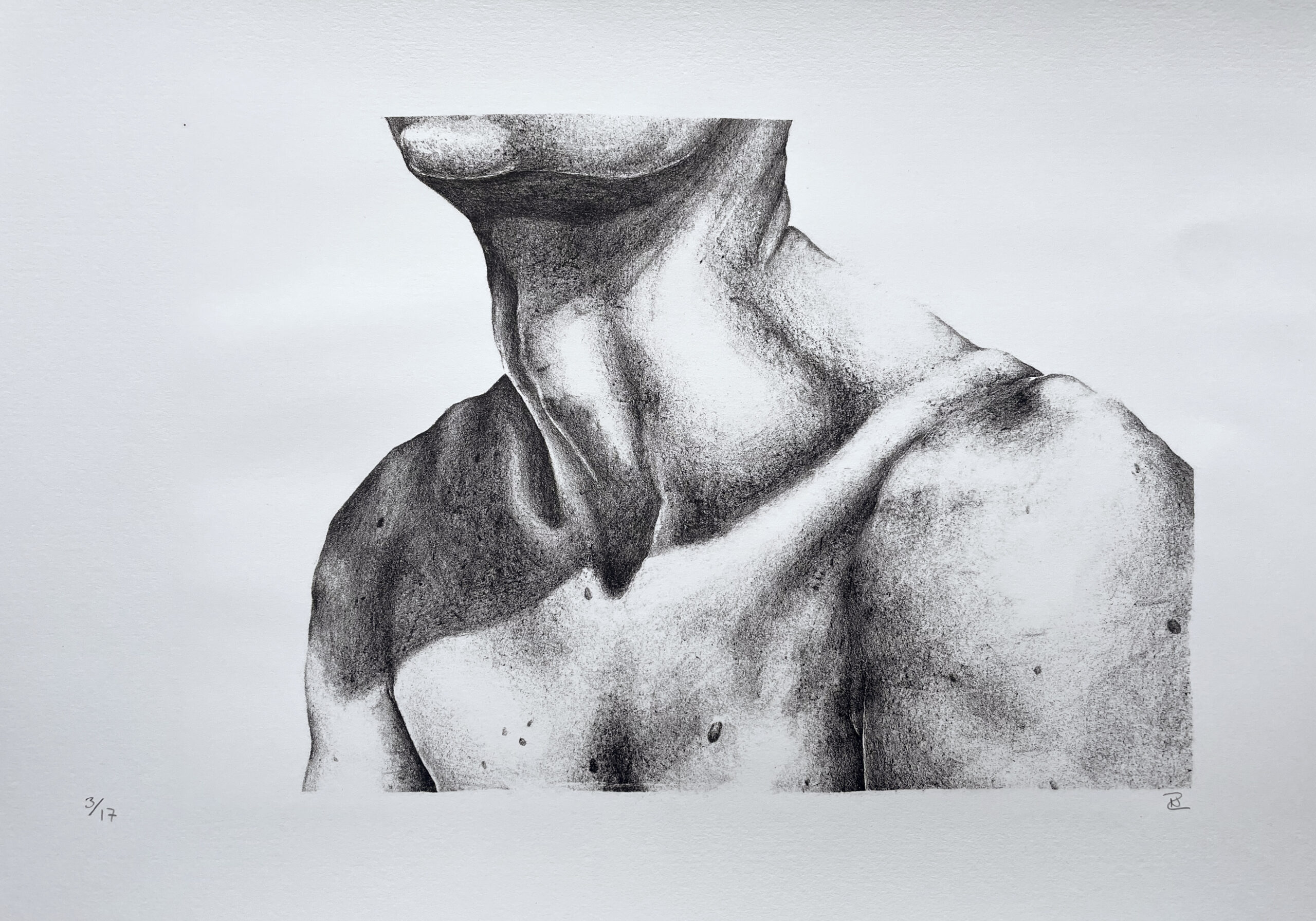
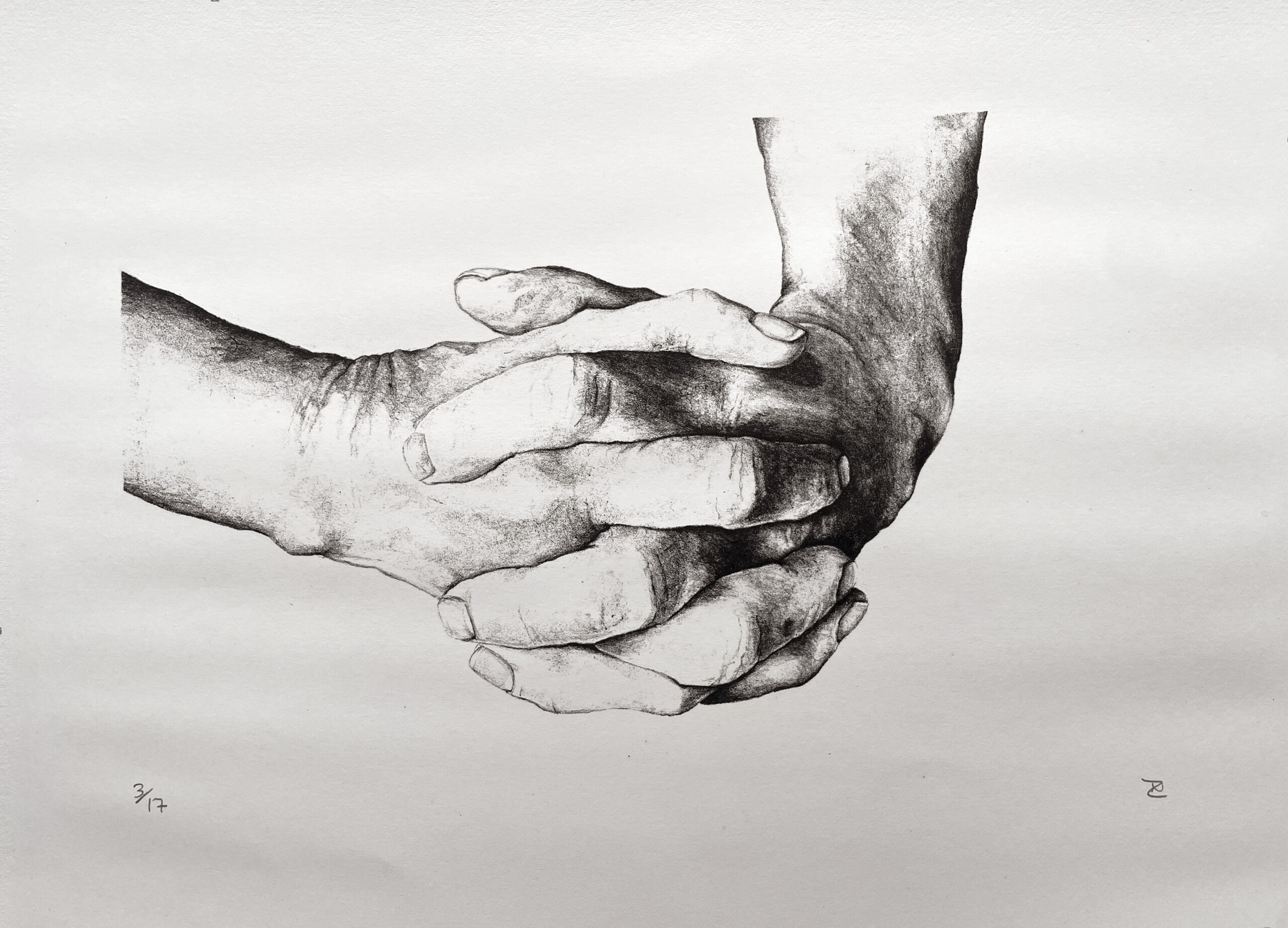
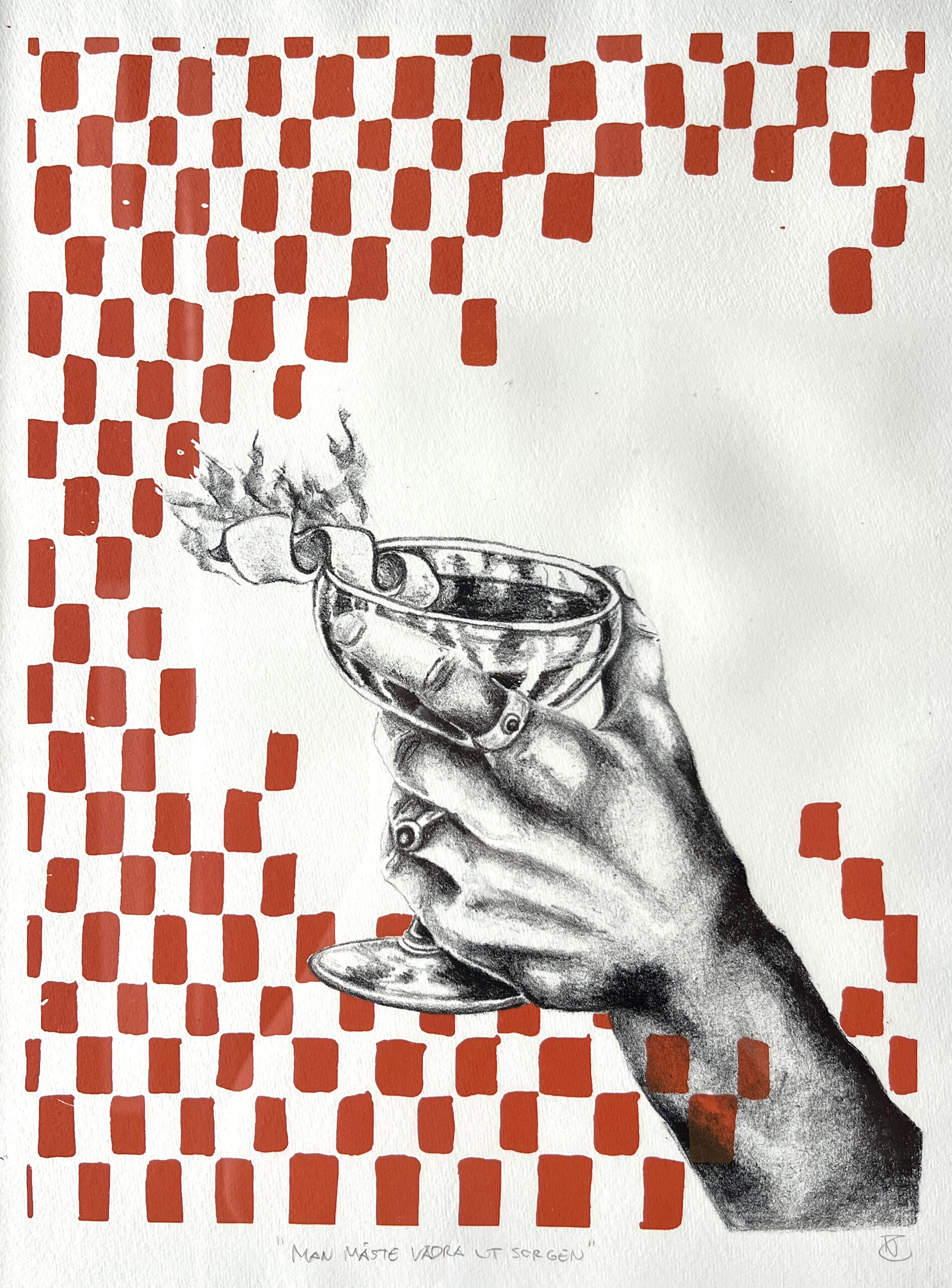
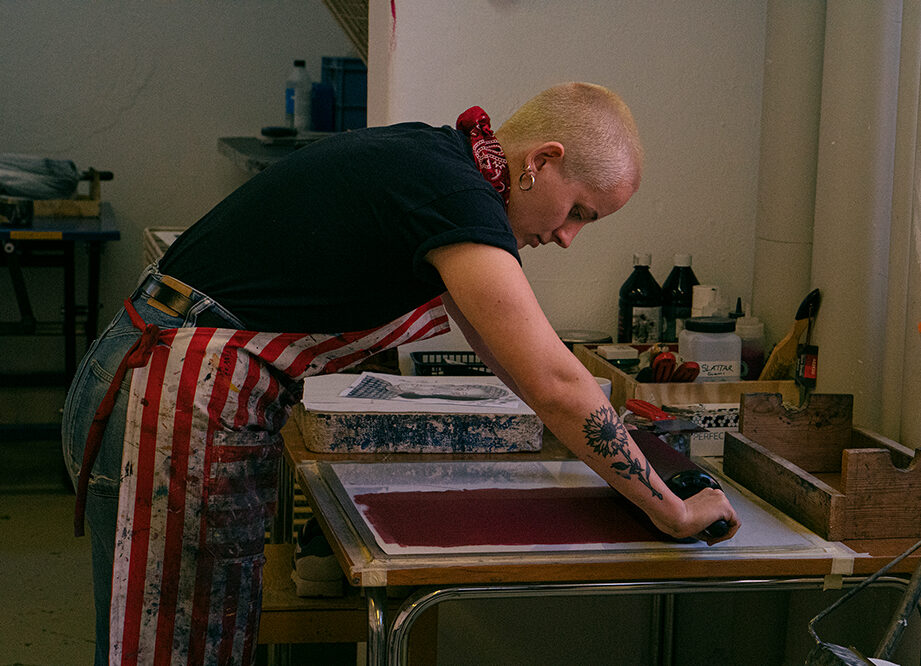
Screen printing, also known as silkscreen printing, is the process of transferring a stencilled design onto a surface using a mesh screen, ink, and a squeegee (a rubber blade).
The basic process of screen printing involves creating a stencil on a mesh screen, either by cutting it out of paper with a blade or using a light sensitive emulsion, then pushing the ink across the screen and through the stencil to imprint the design on the below surface.
The most common surfaces used are paper and fabric. But really anything flat goes, like metal, wood, and plastic.
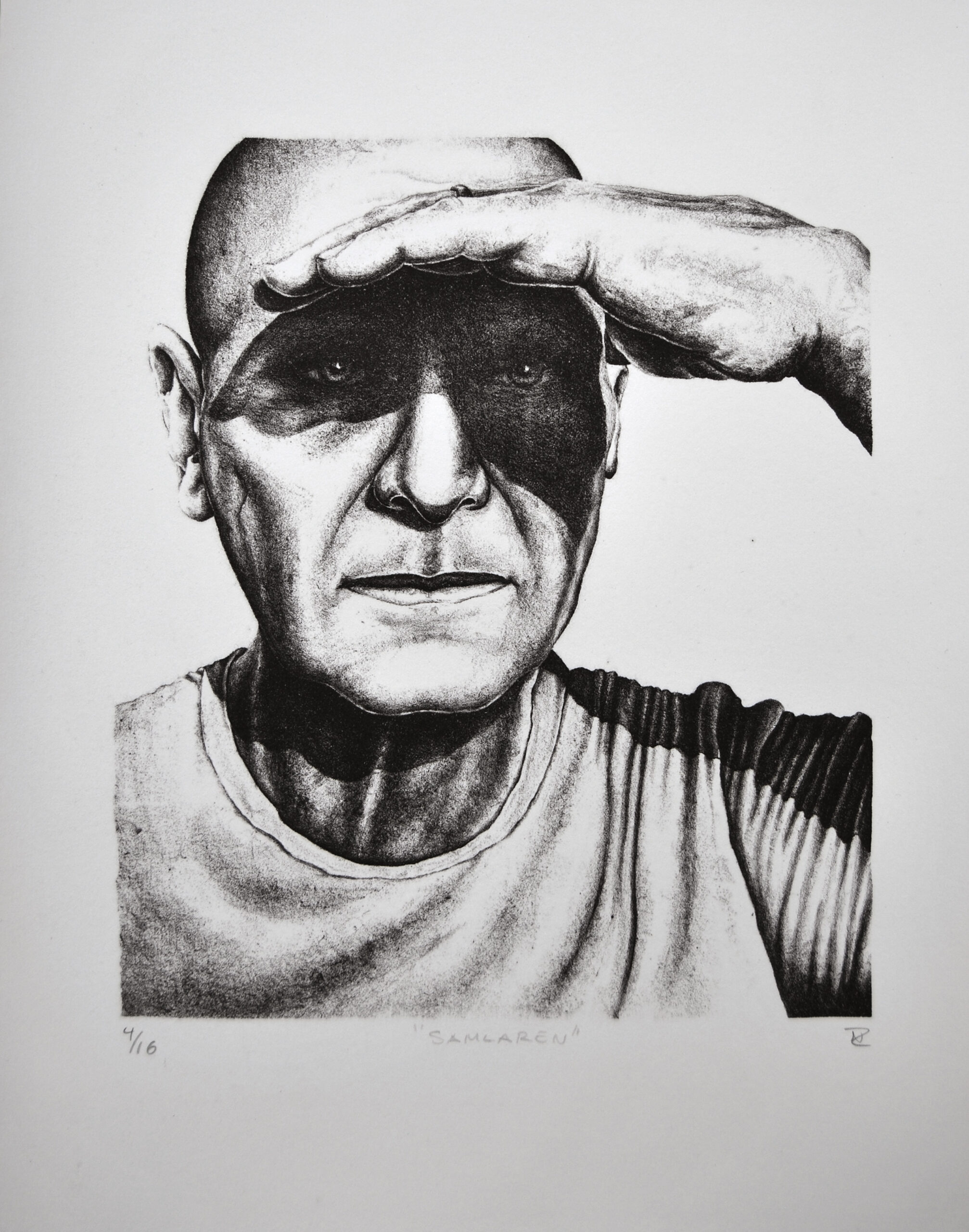
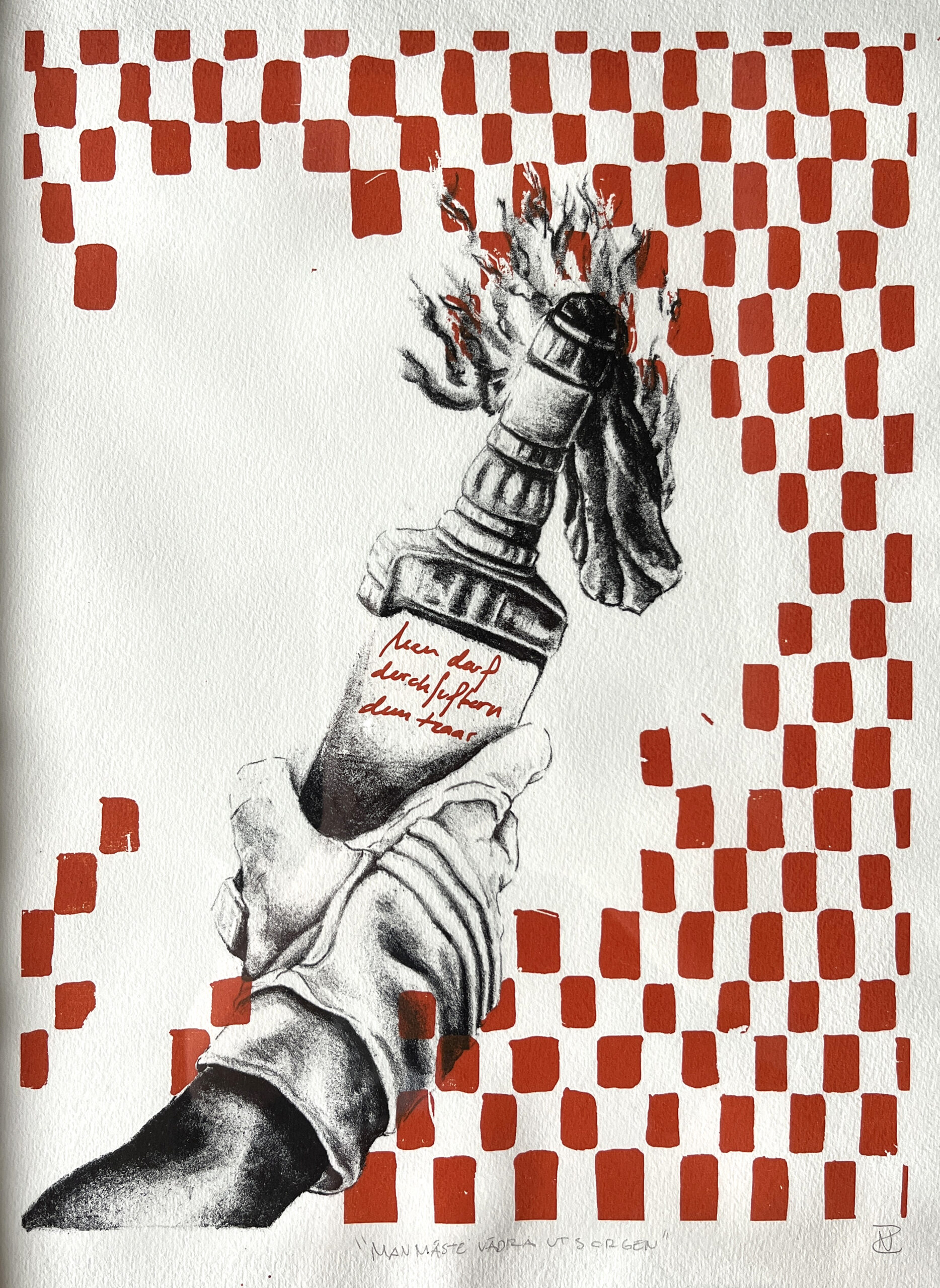
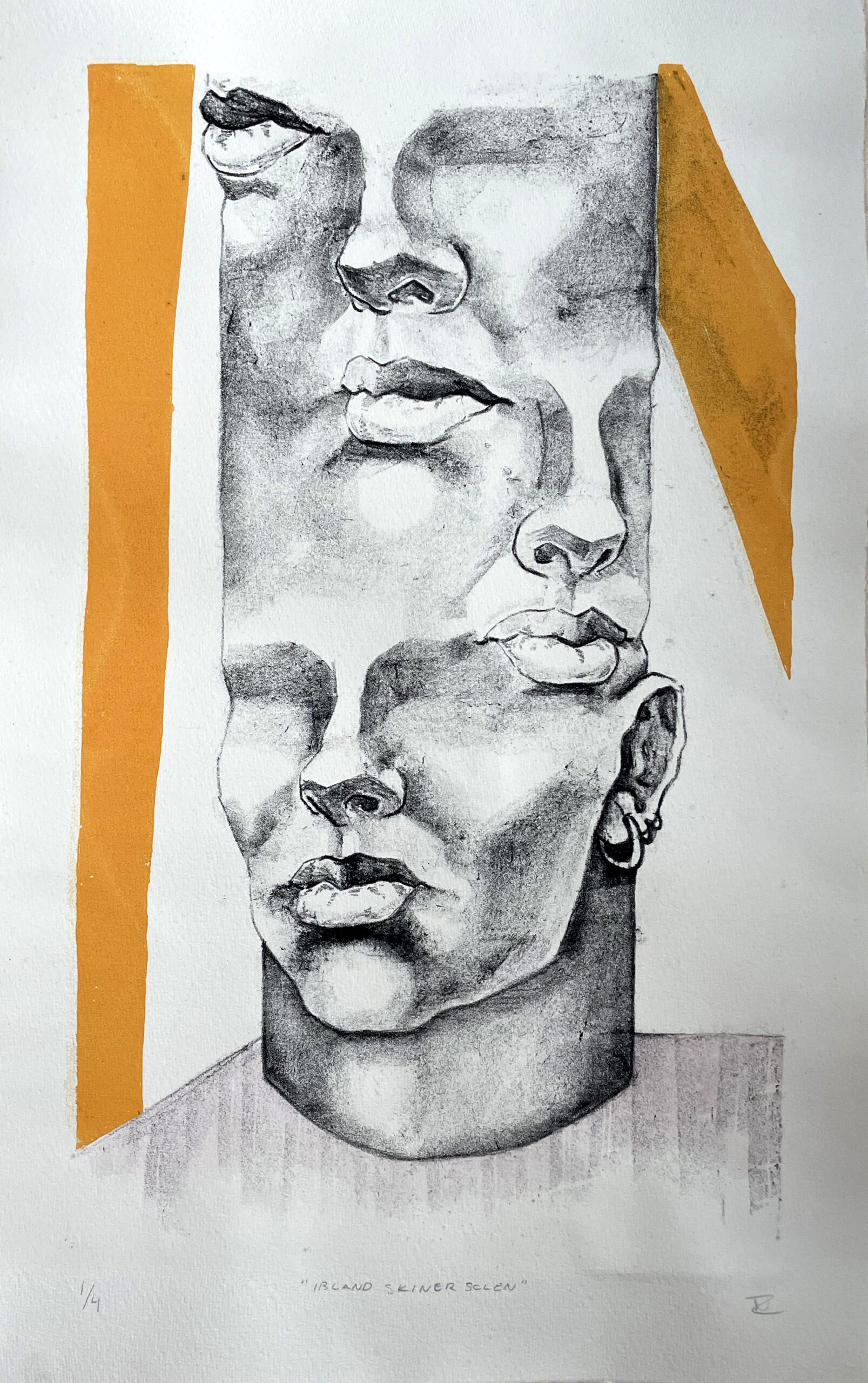
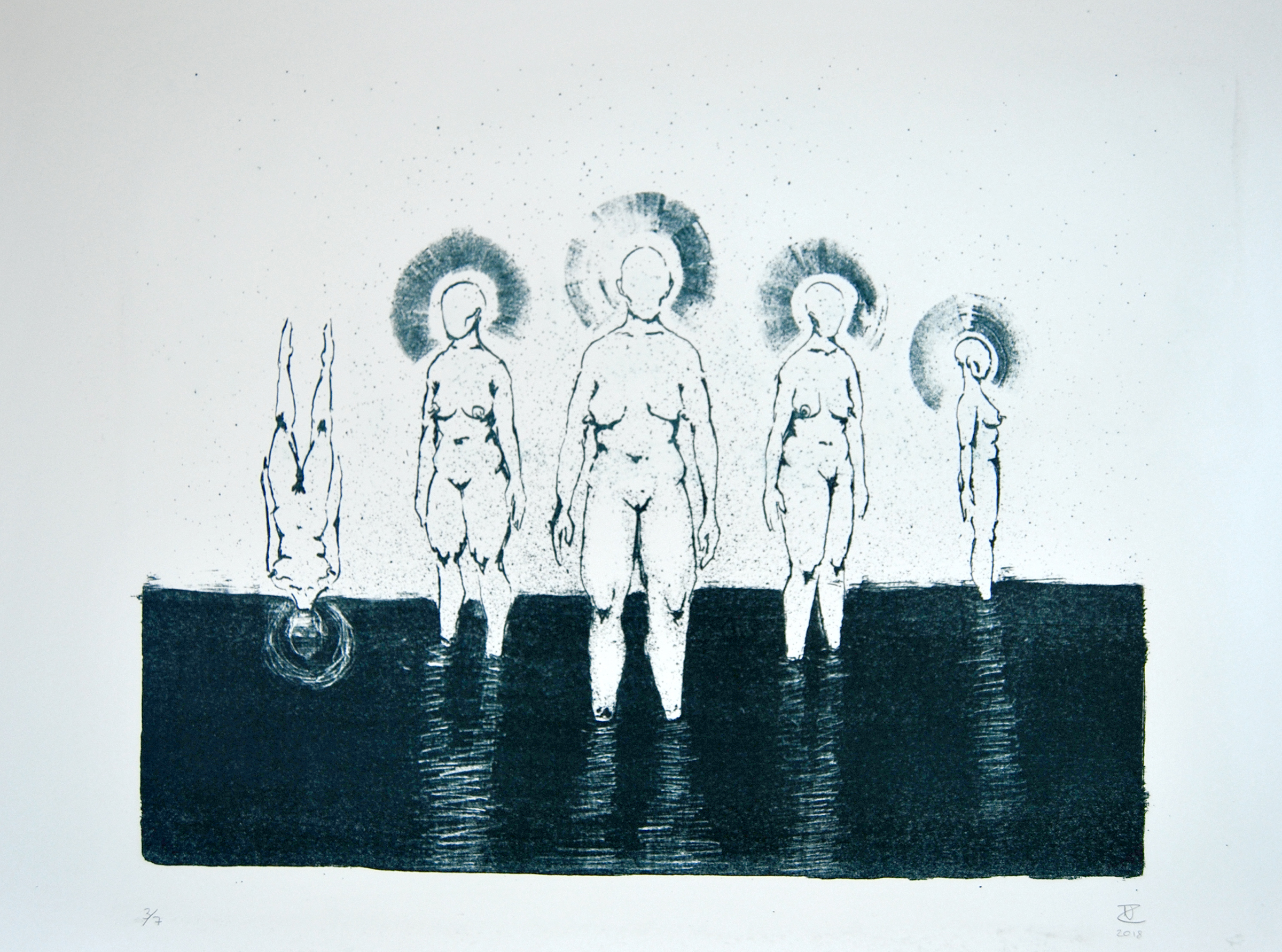
Lithography, more specific stone lithography, is the process of printing an image from lime stone onto paper. The stones surface is ground flat and the image is drawn directly upon it. The stone is then prepared in a series of etchings to make it “remember” the drawing as correctly as possible.
After the etchings the stone can be inked up with a roller. If the stone has been prepared correctly and kept damp during the inking, the ink will only adhere to the areas that were drawn before. A paper is placed on the inked stone and then rolled through a specific press designed for lithographic purposes.
Modern and commercial lithography also uses metal plates instead of lime stones.
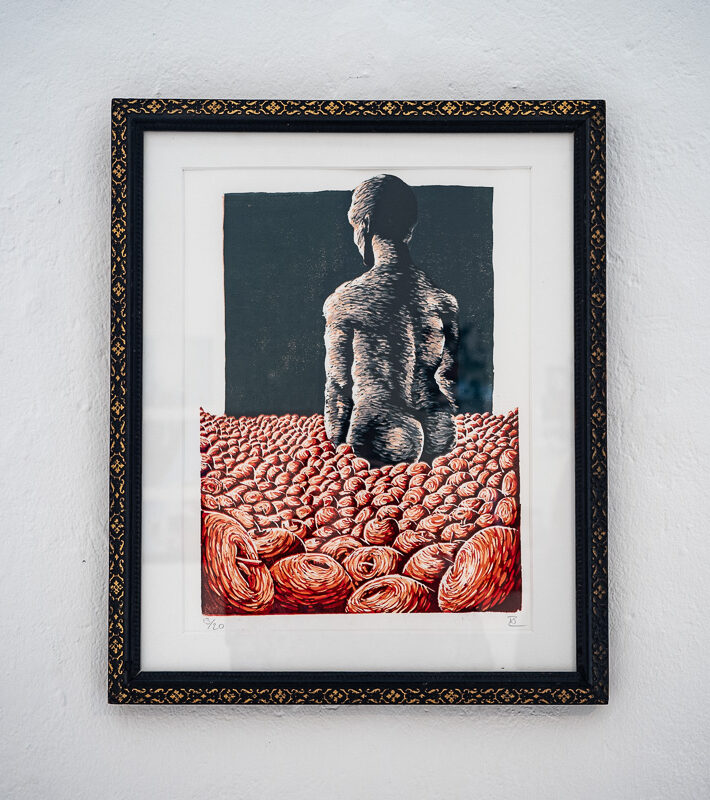
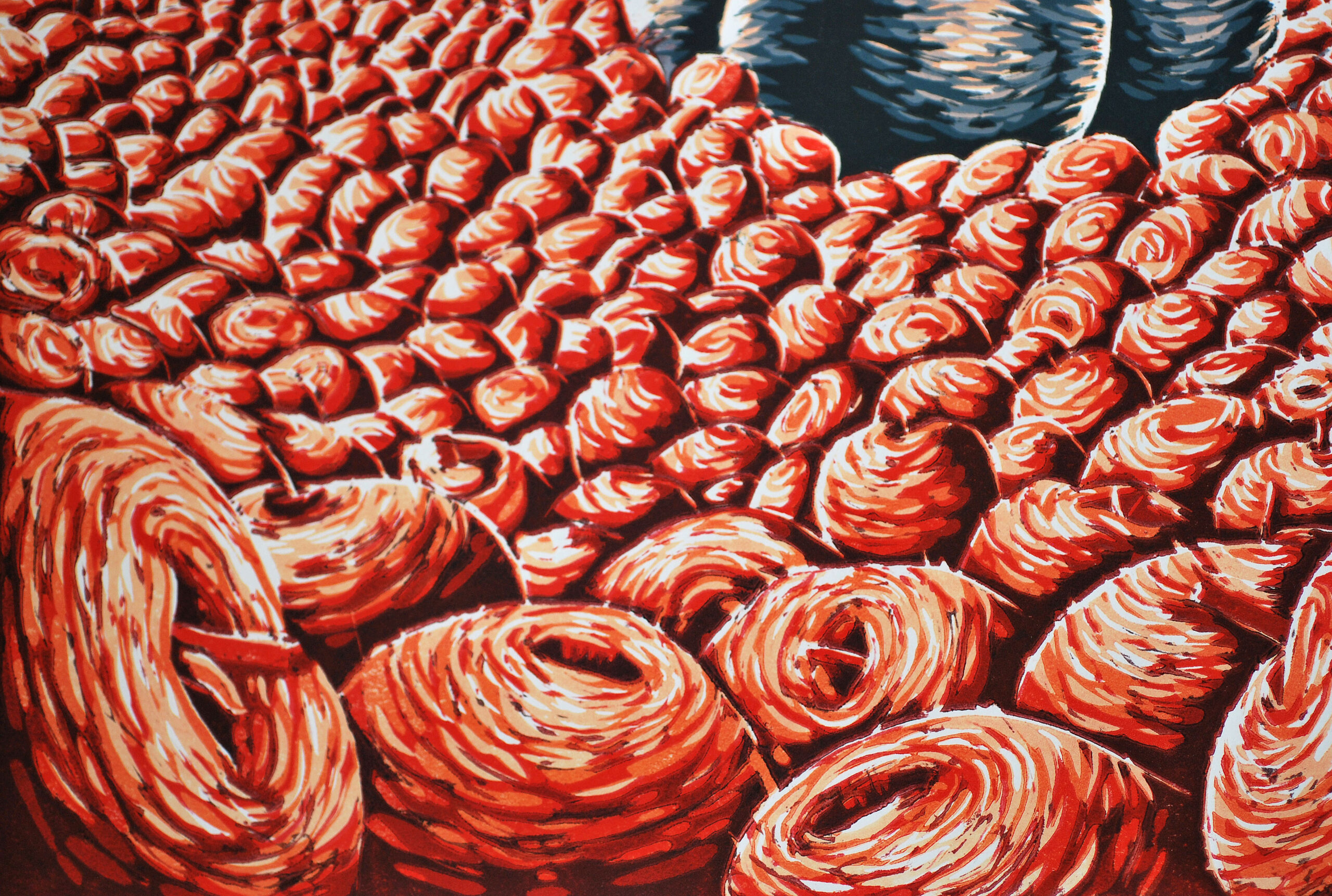
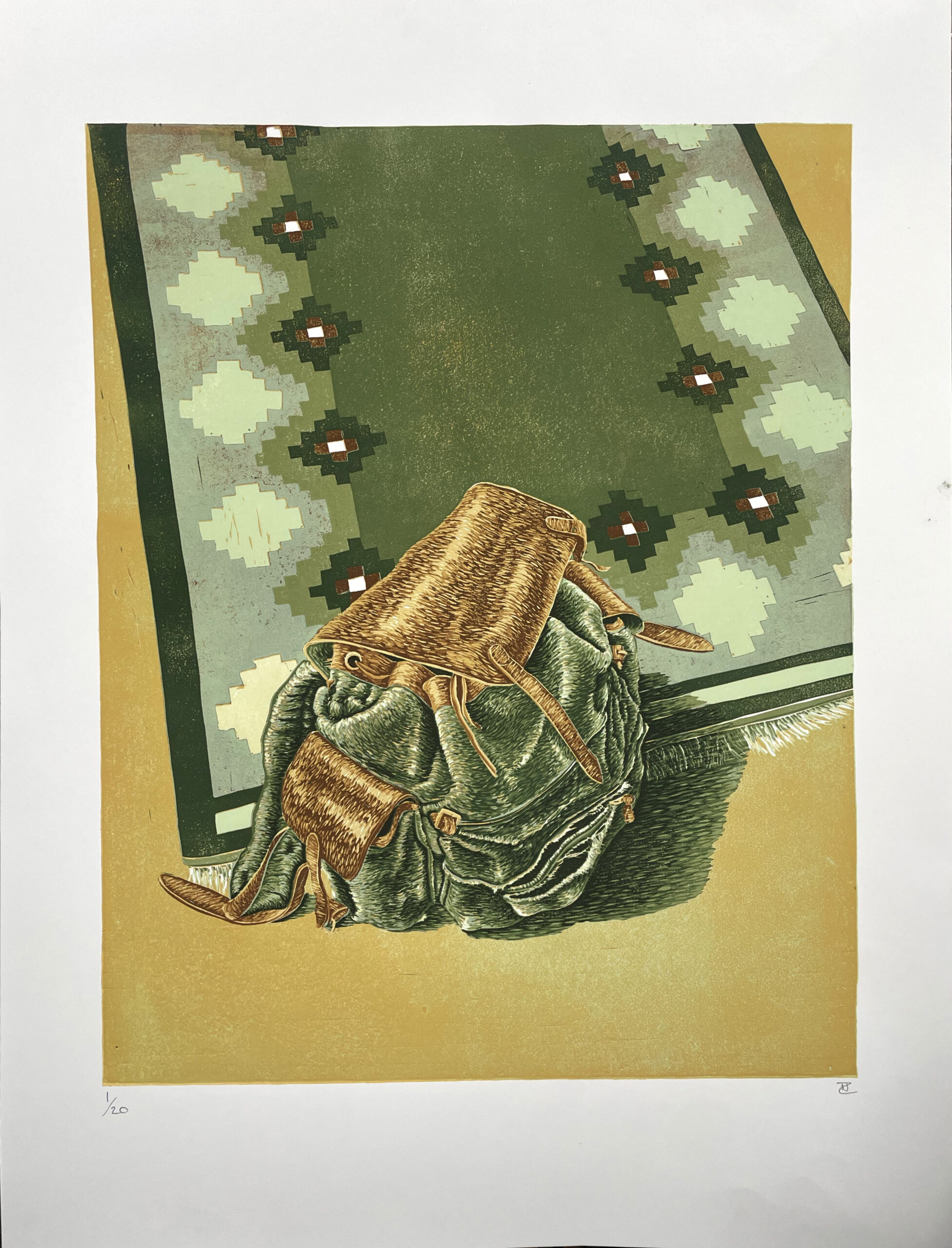
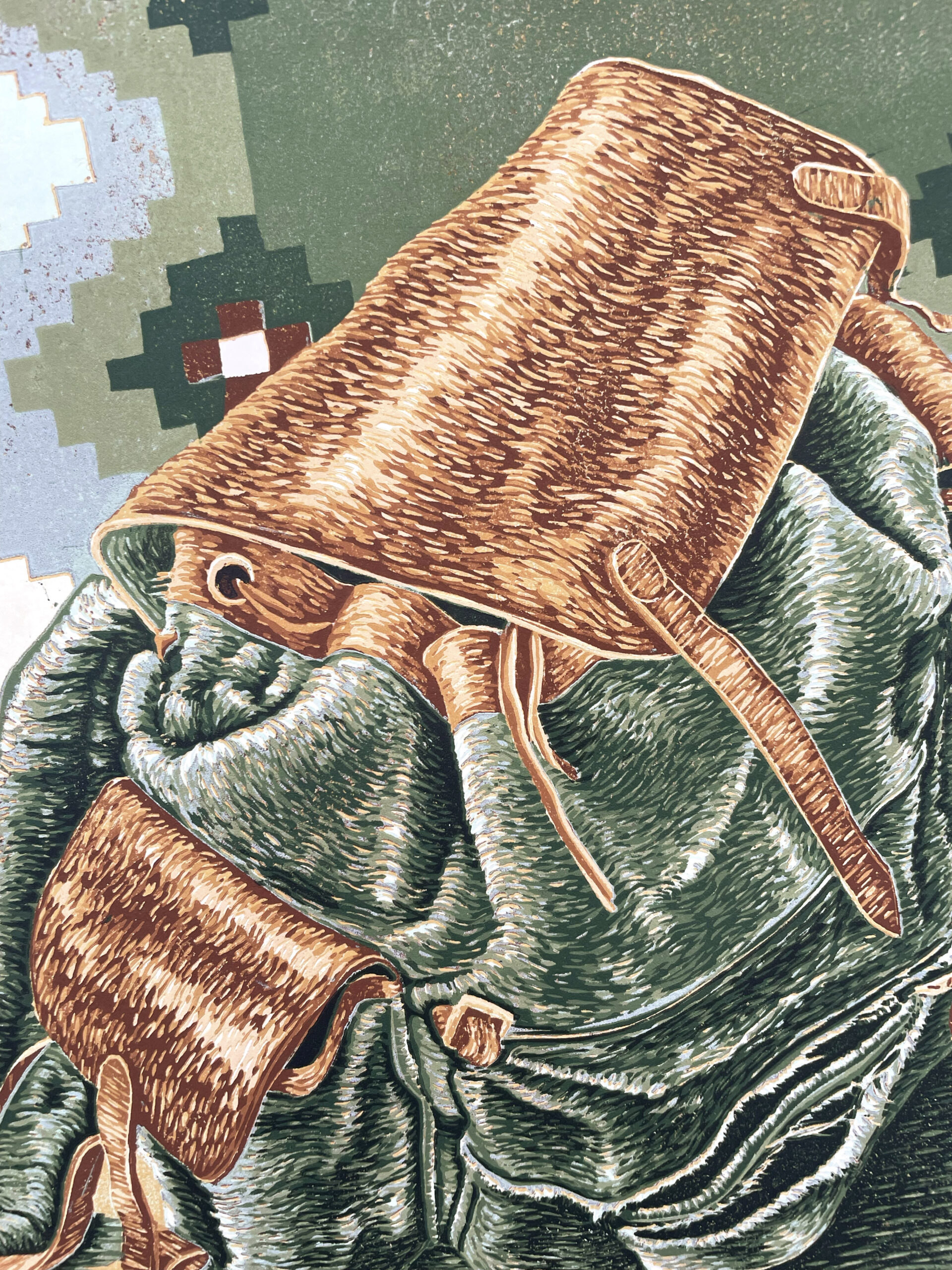
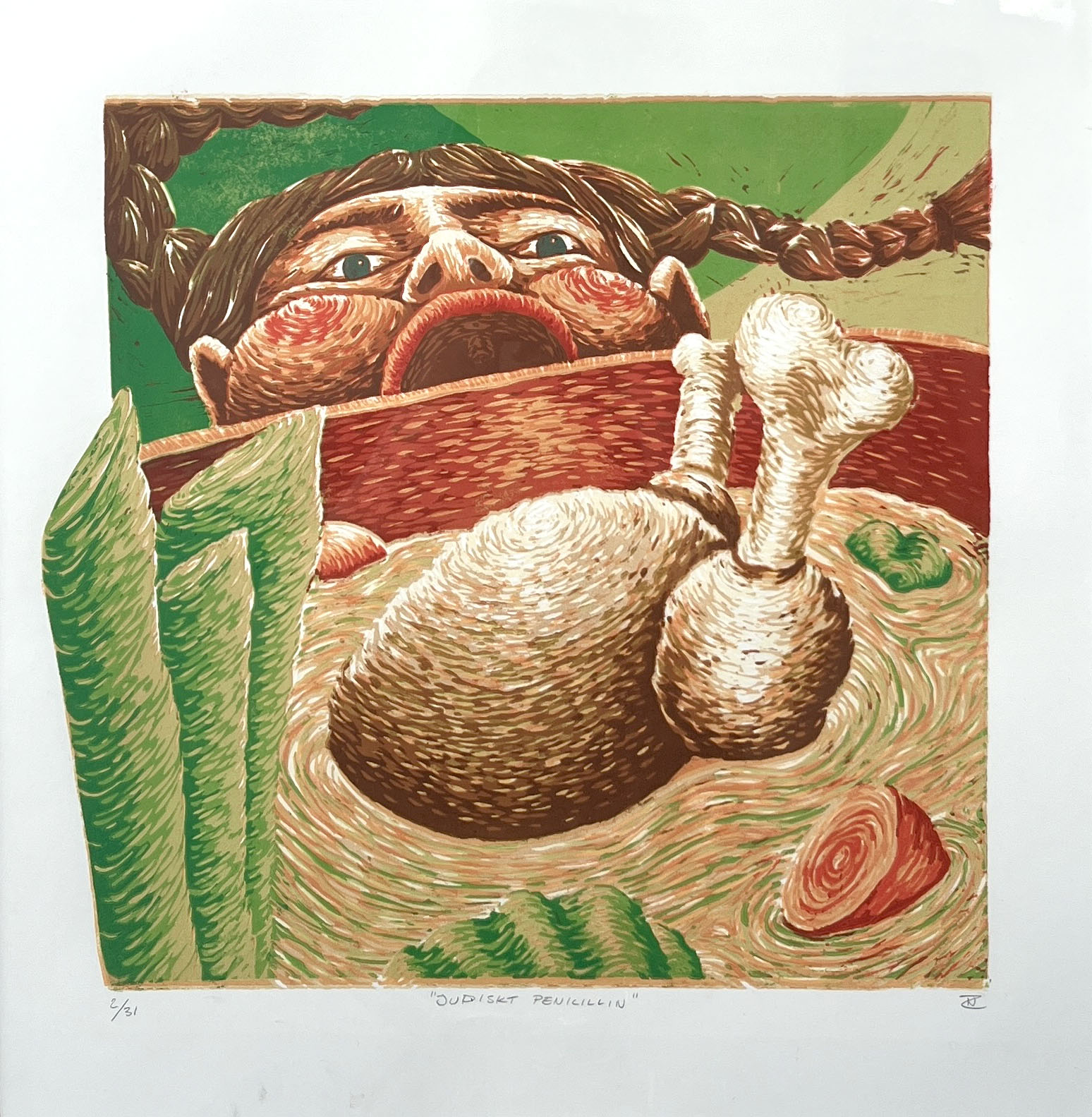
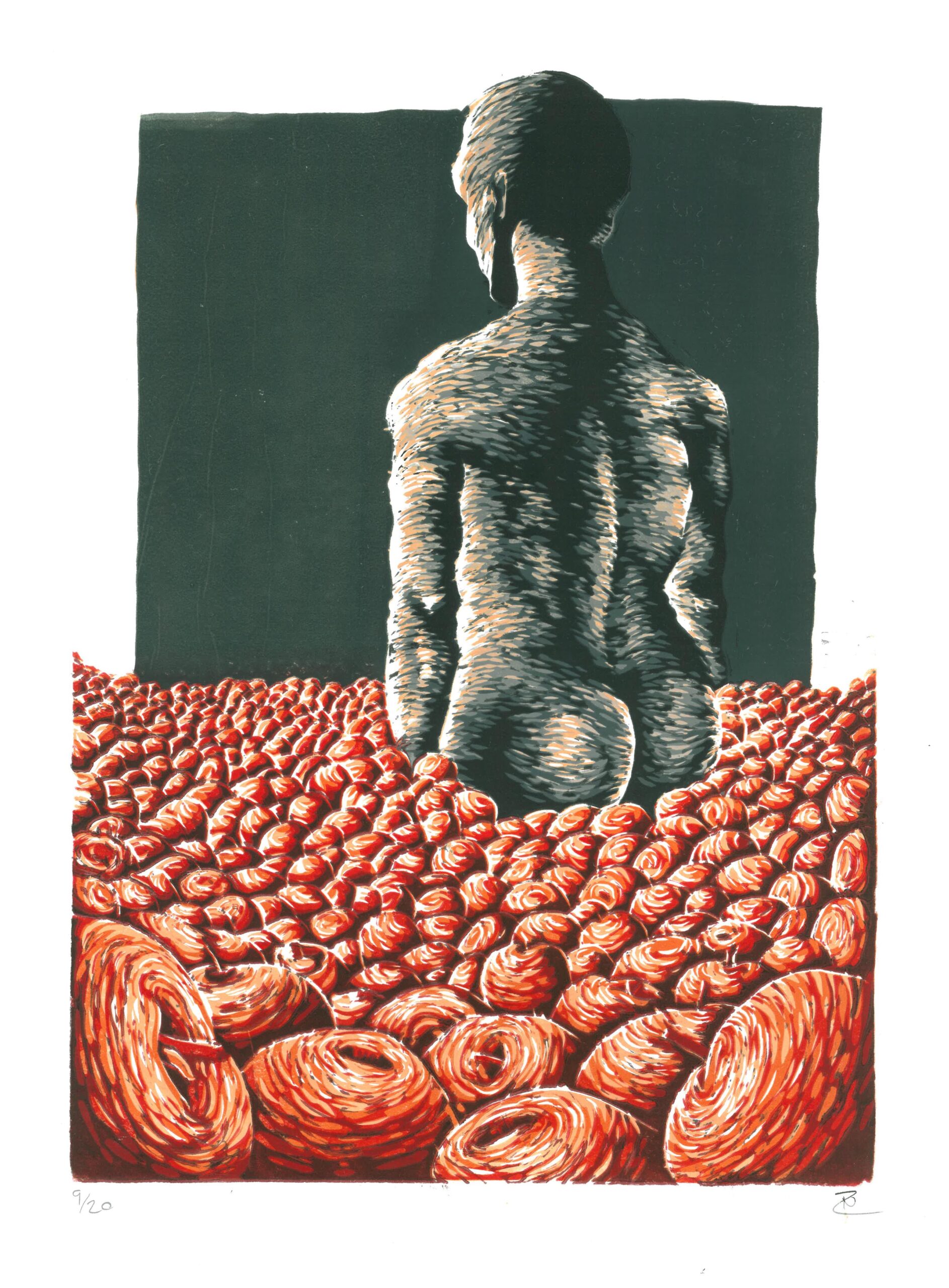
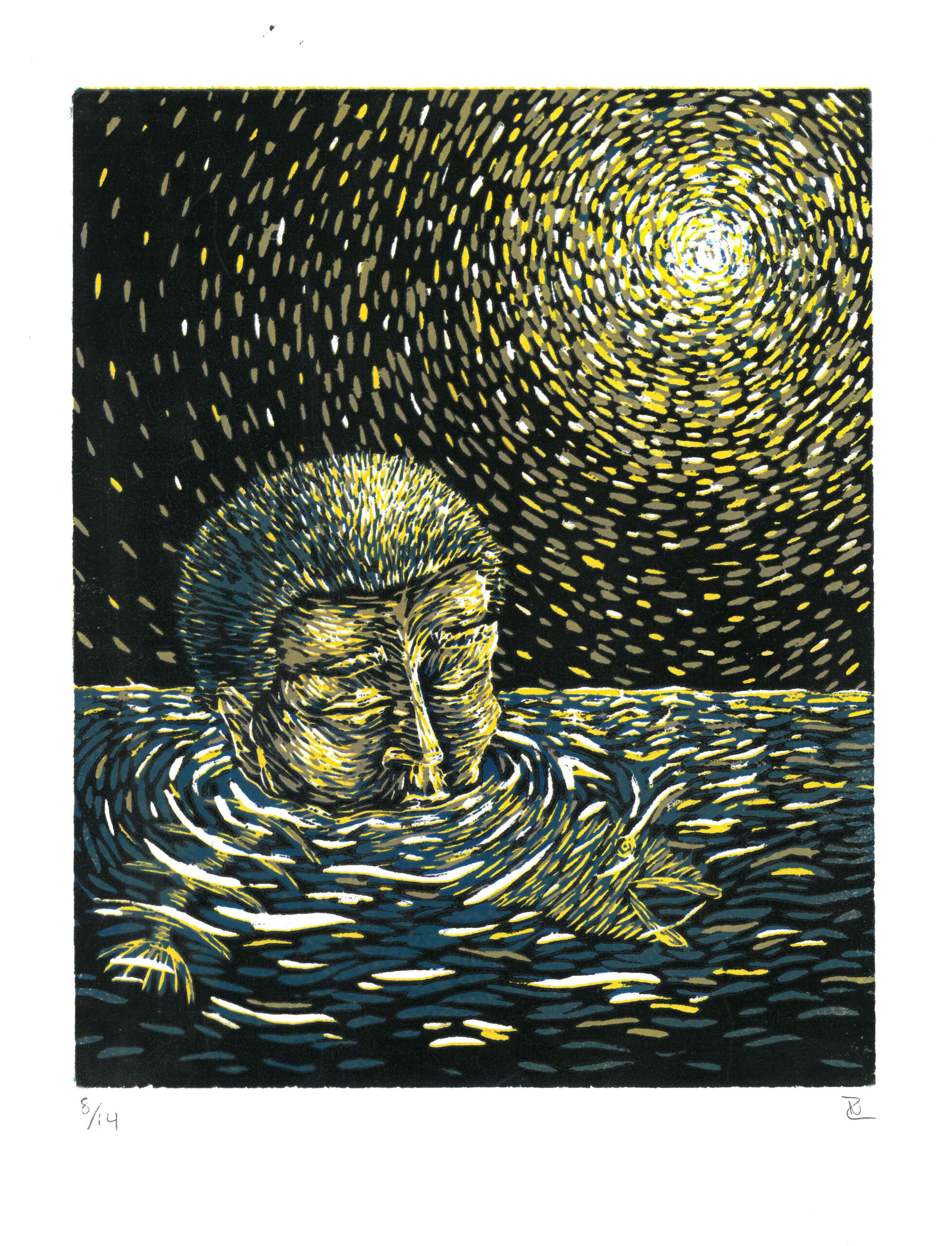
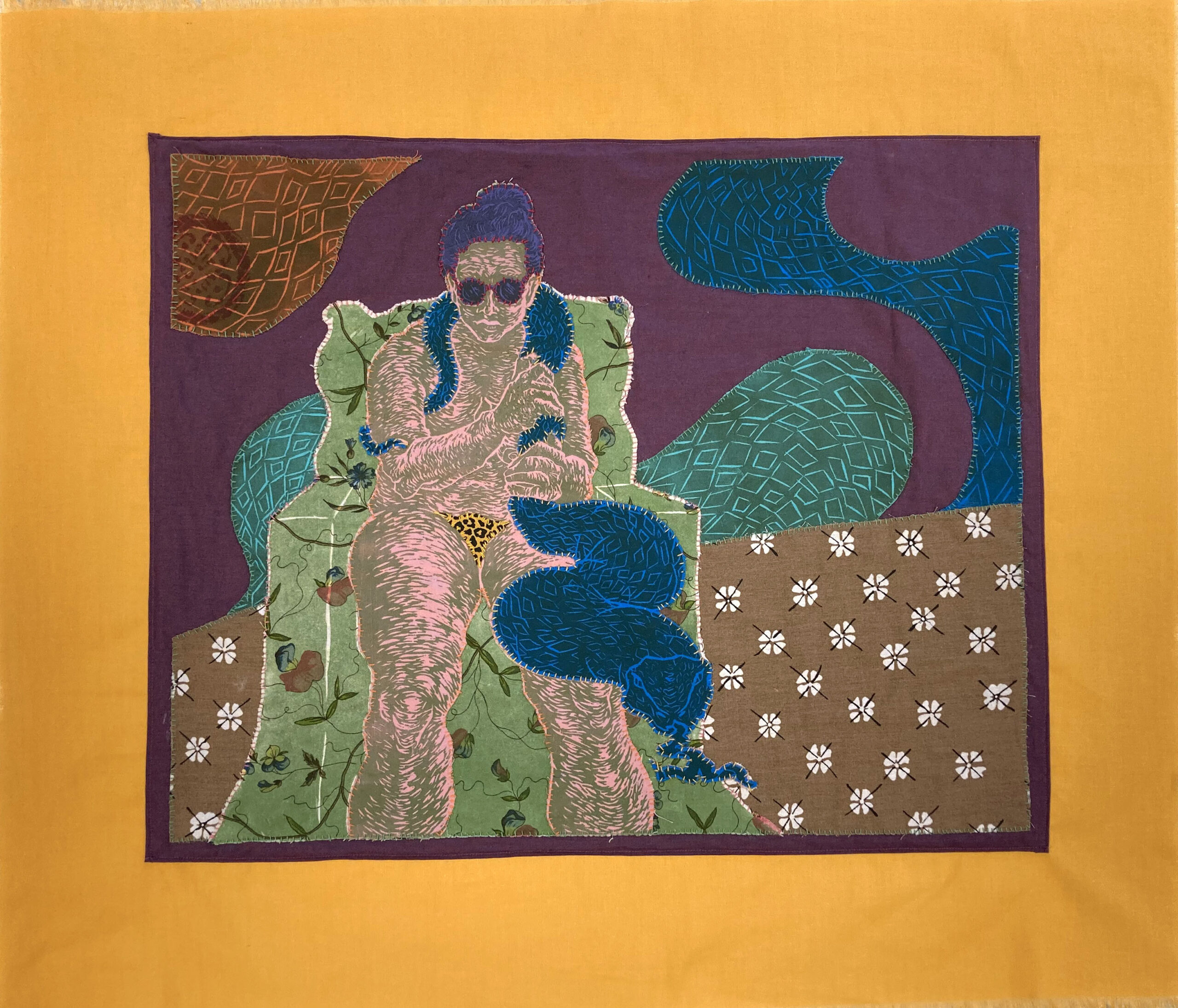
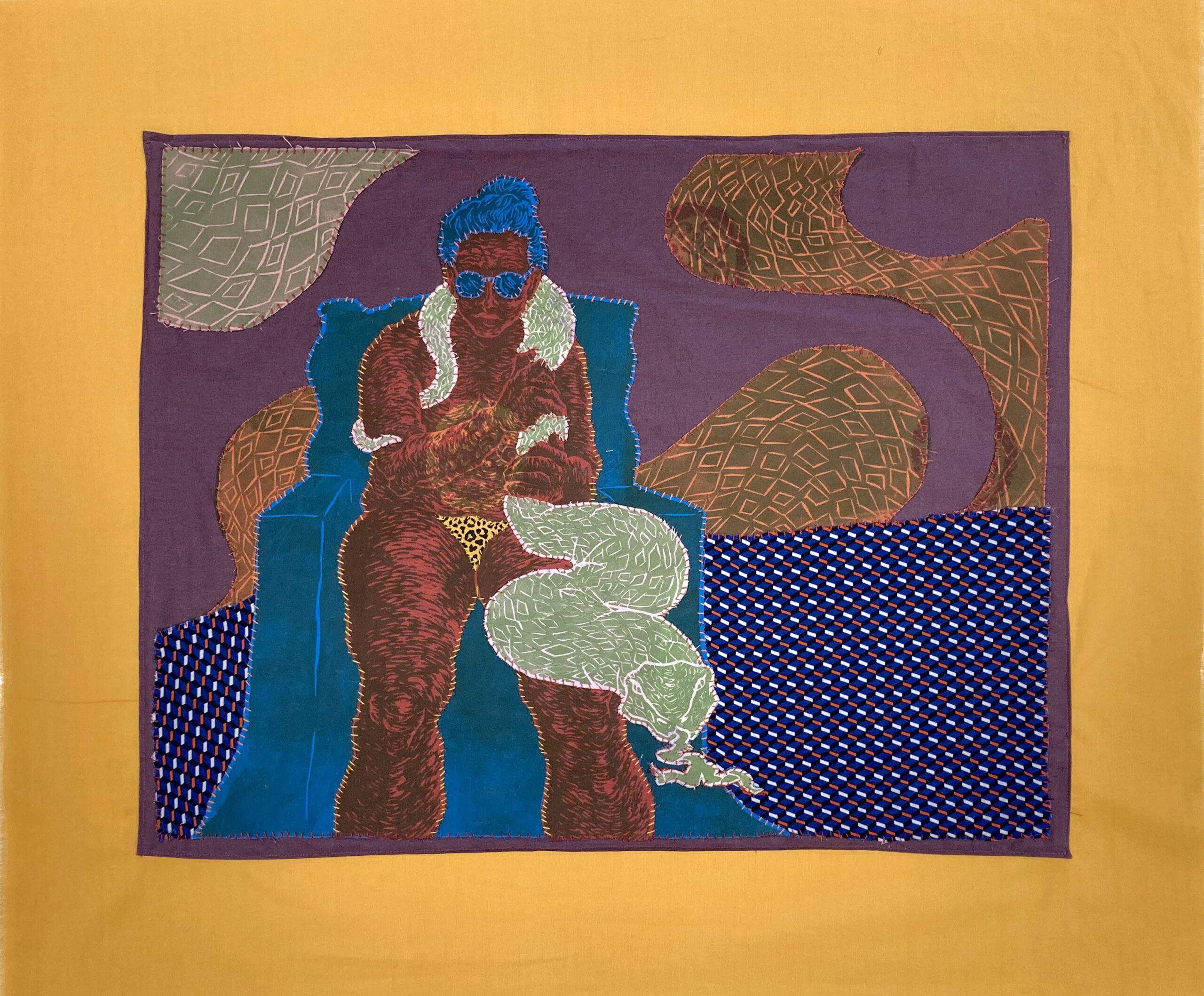
Block printing is the process of engraving a design in a block and then using it to print on paper or fabric. The block usually is made of wood or linoleum.
By using different kinds of cutters, material is being removed from the block. What is left unremoved is what is going to be the printed design. When finished carving, the block can be inked up with a roller, spreading the ink evenly across.
A paper is then placed on top of the inked block and pressure is applied from the top – either through handheld pressure-tools or with a printing press designed for the purpose.